Audio Stage Technician - Massive Attack
Music Wins Festival, South America
Not my first time working as Audio Stage Technician for Massive Attack but my first time doing shows in South America. Having done preparation works in Bristol we packed the hundreds of thousands of pounds worth of gear into a KB Trucking Rigid 27T that’ll head to Global Motion who’ll expertly pack the equipment ready for a 8-week journey across the sea. The next time we would see the equipment would be a Film Studio in Buenos Aires With subsequent moves between shows being air-freight we used the time to simplify the set up, think about what spares we took and for me, what tools I really needed out my flight case as I was going to leave this in Bristol in order to maximise our green ethos. (And to save my freshly restocked aerosols as the last impromptu air-freight move)
The Role
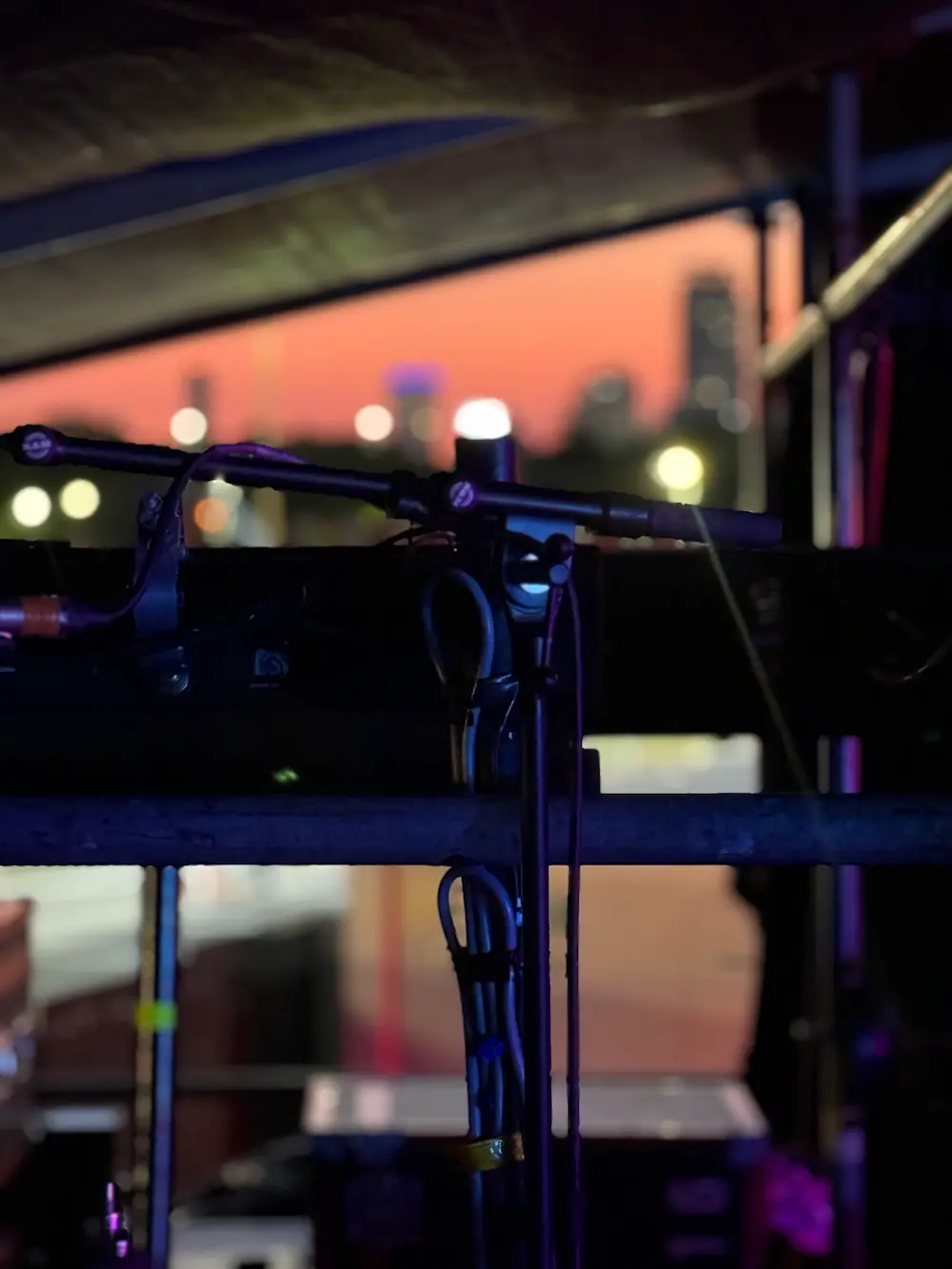
My role as a audio stage technician involves building the monitor console system, coordination of the IEM setup and patching the stage so that all microphones, instruments, and backline show up in the correct place. The show is sonically massive so consistent microphone placement is a must and a neat looking stage is equally important as there is many cameras placed around the stage doing close ups for the IMAG screens. During the show I'm around for the musicians being on hand as well as a communication link between the band and the monitor engineer between being chief microphone wrangler for the on-stage microphone moves.
The Setup
The system consists of an AVID S6L 24D at FOH and an AVID S6L 24 stage left, both consoles share gain of 104 inputs patched into two Stage64's* On stage IEMs are Sennheiser 2050 across Aw+ and Gw bands, what is always a surprise to local crews is there is no wireless microphones. This is why there are microphone moves on stage, as to keep with the ascetics of the stage, the centre microphone generally changes between the 3 artists who use 2 different microphones at 3 different heights.
Of the 104 inputs, 32 of those are tracks, click, cues, guide vocals and time-code from Ableton. Based stage centre and surrounded names of Native Instruments MOOG AKAI and a Modular Synth for good measure is is where only 1/3 of the magic happens. The chemistry between the two drummers, supported by two guitarists and a bassist gives you a great show, but the vocalists is what makes the show. Behind us, a cinematic experience curated too test your believes and open your eyes, a true auditory and visual experience
The Bigger Picture
When it comes to Festivals there is there needs to be a conversation about what air-space I can use, or if someone on site looking after the co-ordination. As an headliner we sometimes load in over night which is great as I can get a really clear base scan of the site, I coordinate into channels incorporating house equipment and let the on-site audio team where I am should any other RF techs start asking similar questions. On the whole I find this system to work, but it won't be the first time I'm having to re-scan before the show and this was one of them.
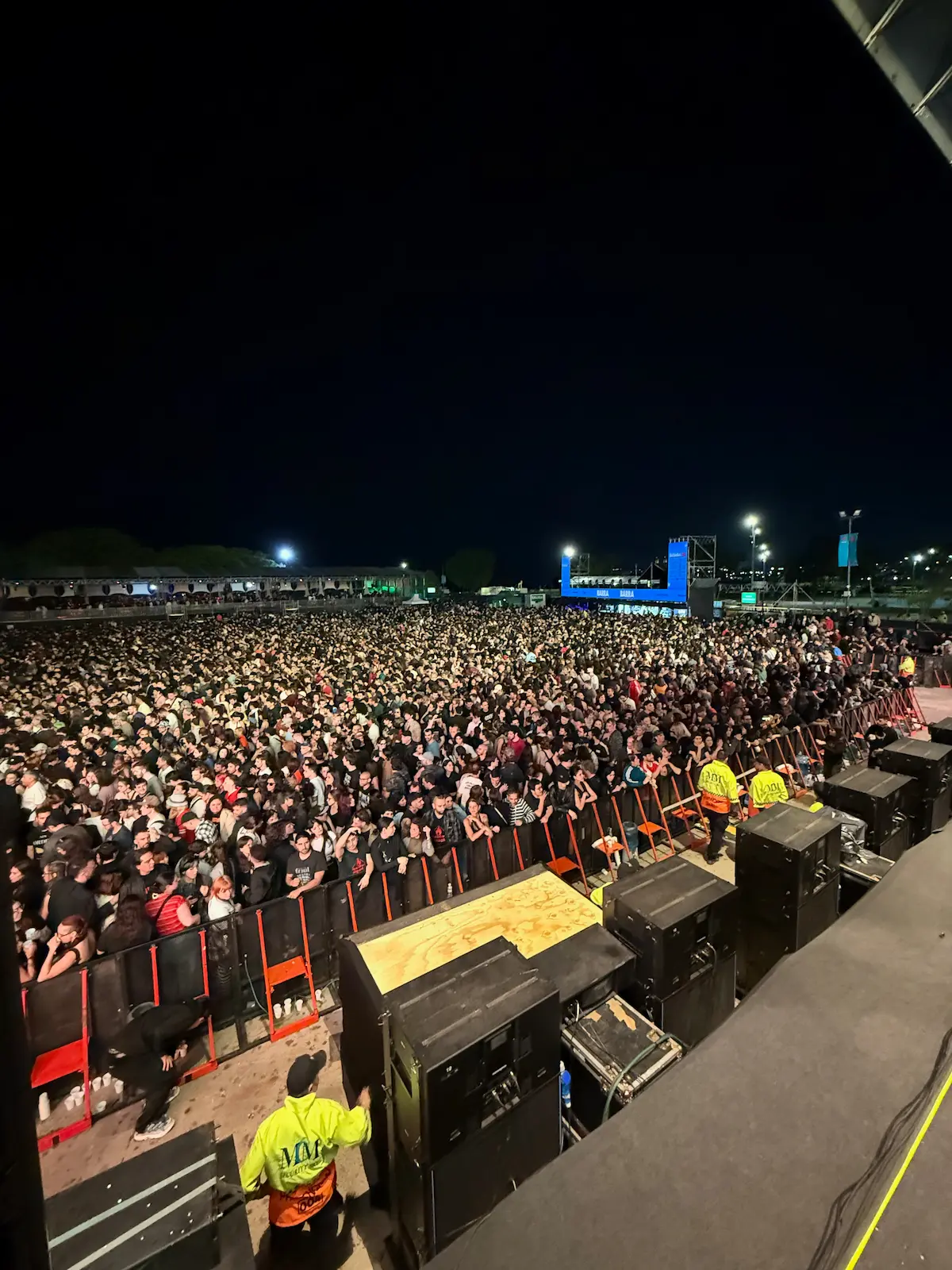
The show was fantastic — great energy from the crowd and a strong performance from the band. A fresh robust set of frequencies lasted the show from changeover to pack-down. I always monitor frequencies and regularly check listen to each transmit to ensure a well maintained signal throughout.